Traditional Chinese Medicine
Acupuncture
Acupuncture: A Modern Guide to an Ancient Practice
Let’s face it: If someone told you they wanted to stick needles in your body, you’d be freaked out too! If the thought of becoming a “pincushion” makes you slightly anxious, know that you’re not alone. That being said, acupuncture is one of the most studied, evidence-based forms of complementary medicine around.
Far from painful, acupuncture is actually a healing practice that encourages your body to heal itself. Below is a helpful guide that explains acupuncture and exactly what you can expect at your first visit.
What is acupuncture?
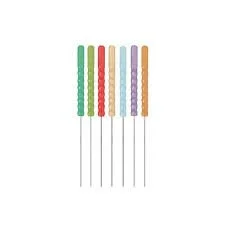
Simply defined, acupuncture is the insertion of hair-like, sterile needles into the skin.
Here’s the traditional explanation: It opens the flow of Qi (energy) that travels through the body on pathways known as meridians.
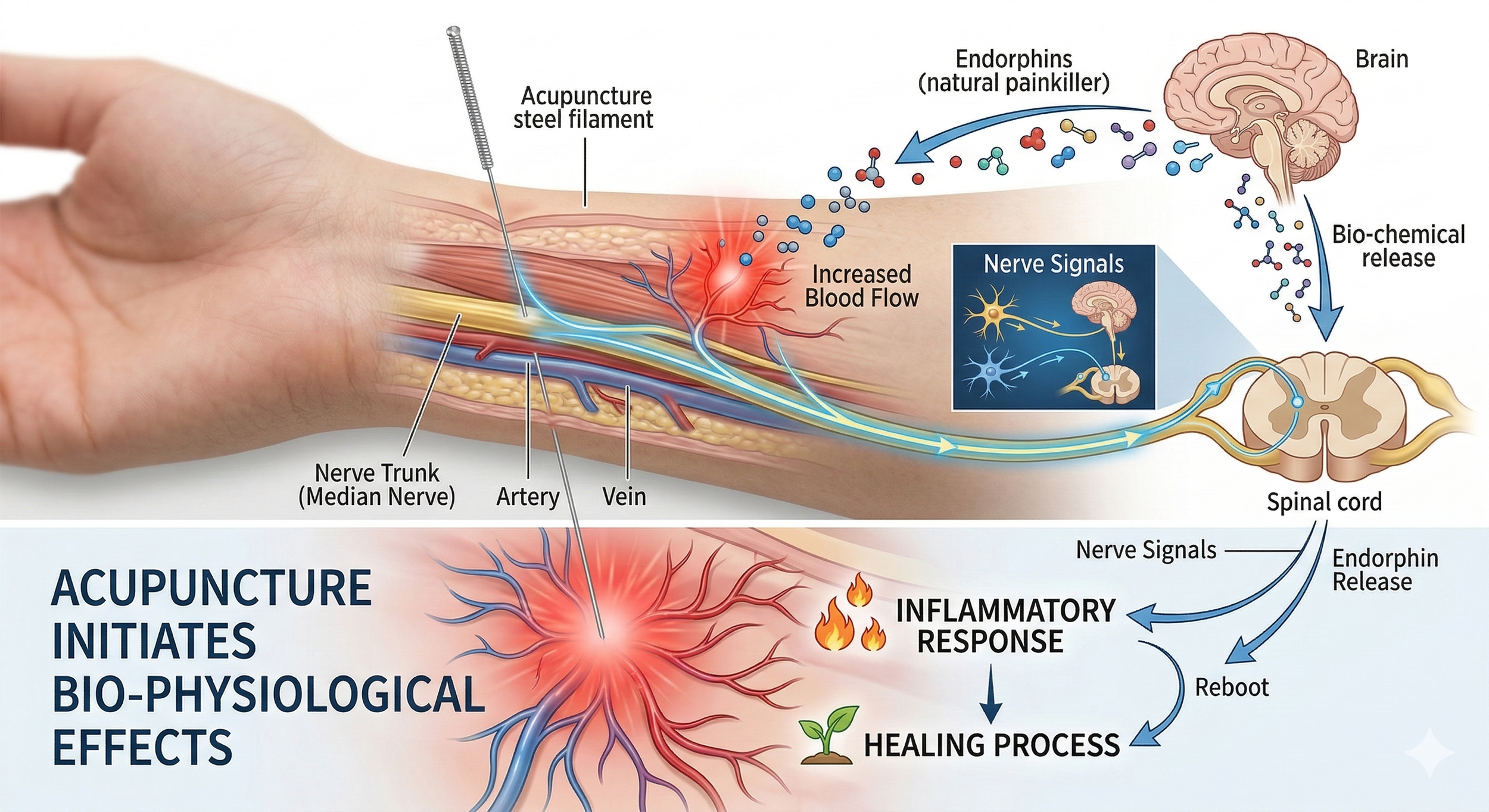
Here’s the scientific explanation: Acupuncture triggers the nervous system to release chemical messengers. It triggers the release of pain killing chemicals called endorphins and increases blood flow to the tissues being needled. This reboot's the inflammatory response of the body and promotes healing.
What Happens During Your Appointment
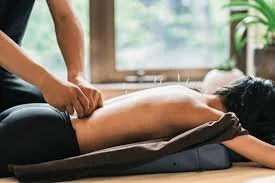
Honestly the waiting is the only "scary" part. Most find acupuncture so relaxing that you will take a "needle nap."
1. Consultation
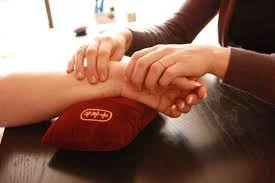
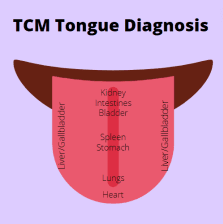
Before the needles even touch your skin your practitioner will ask questions regarding your health history, sleeping habits, digestion, stress and more. They may even check your tongue or pulse. These are methods used to understand what's going on internally.
2. Insertion
Acupuncture needles are the width of about 10 human hairs. And they are solid, not hollow like the ones used for your flu shot.
The Feeling: You may feel a small pinch as the needle goes in and then experience heaviness, tingling or a dull ache. That is good! It means the point has been "activated".
The Quantity: You will usually have anywhere from 5-20 needles during your treatment.
3. Rest
After your needles are placed you will lay for about 20-30 minutes. Typically, most acupuncture clinics feature low lighting and calming tunes. Unplug from everything and give your system a chance to relax and reboot.
4. The After Glow
Once needles are taken out (totally painless), you may feel refreshed or maybe a bit "spacey" and relaxed. Be sure to hydrate and hold off on any intense workouts.

Will It Work For You?
Conditions we commonly treat with Acupuncture include:
Pain: Lower back pain, Neck pain, Osteoarthritis.
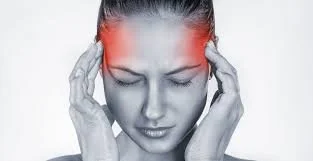
Headaches: Decreasing severity and frequency of migraines.
Mental Health: Anxiety, Depression, Insomnia.
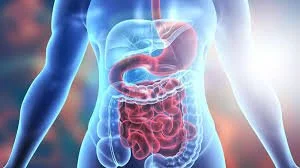
Digestive Problems: IBS, bloating, nausea.
*It is important to keep in mind that although some people notice relief after one treatment, most chronic conditions require 6 to 10 treatments to notice substantial, long-term improvements.